Climate change is creating unprecedented challenges for businesses across every sector. Rising temperatures, extreme weather events, changing regulations, evolving investor expectations, and shifting market dynamics are transforming how organizations manage risk and plan for the future. As climate-related risks continue to increase, organizations must understand how these risks could affect their operations, assets, supply chains, financial performance, and long-term business strategy.
Climate Risk Assessment enables organizations to identify, evaluate, and prioritize both physical risks arising from changing climate conditions and transition risks associated with the global shift towards a low-carbon economy. By understanding these risks, organizations can make informed strategic decisions, strengthen resilience, improve governance, and capitalize on emerging opportunities.
At Agile Advisors, we help organizations assess climate-related risks and opportunities through a structured, data-driven approach that supports informed decision-making, regulatory readiness, and sustainable business growth.
Climate-related risks are becoming an integral part of enterprise risk management and corporate governance. Investors, regulators, financial institutions, and stakeholders increasingly expect organizations to understand and disclose how climate change may impact business performance.
Agile Advisors provides strategic advisory services to help organizations understand the potential impacts of climate change on their business and develop practical strategies to enhance resilience. Our consultants work collaboratively with leadership teams, operational departments, and risk management functions to identify material climate risks, assess their potential impacts, evaluate business vulnerabilities, and develop effective adaptation and mitigation strategies.
Our advisory approach combines climate science, business strategy, regulatory knowledge, and risk management expertise to deliver practical recommendations that align with organizational objectives and international best practices.

Evaluate potential physical risks (e.g., extreme weather events) and transitional risks (e.g., regul...
View Details

Utilize advanced models to project various climate scenarios and their potential impact on your oper...
View Details

Develop actionable strategies to reduce or prevent the negative impacts of climate-related risks.
View Details

Create comprehensive plans to adapt your business processes and infrastructure to changing climate c...
View Details
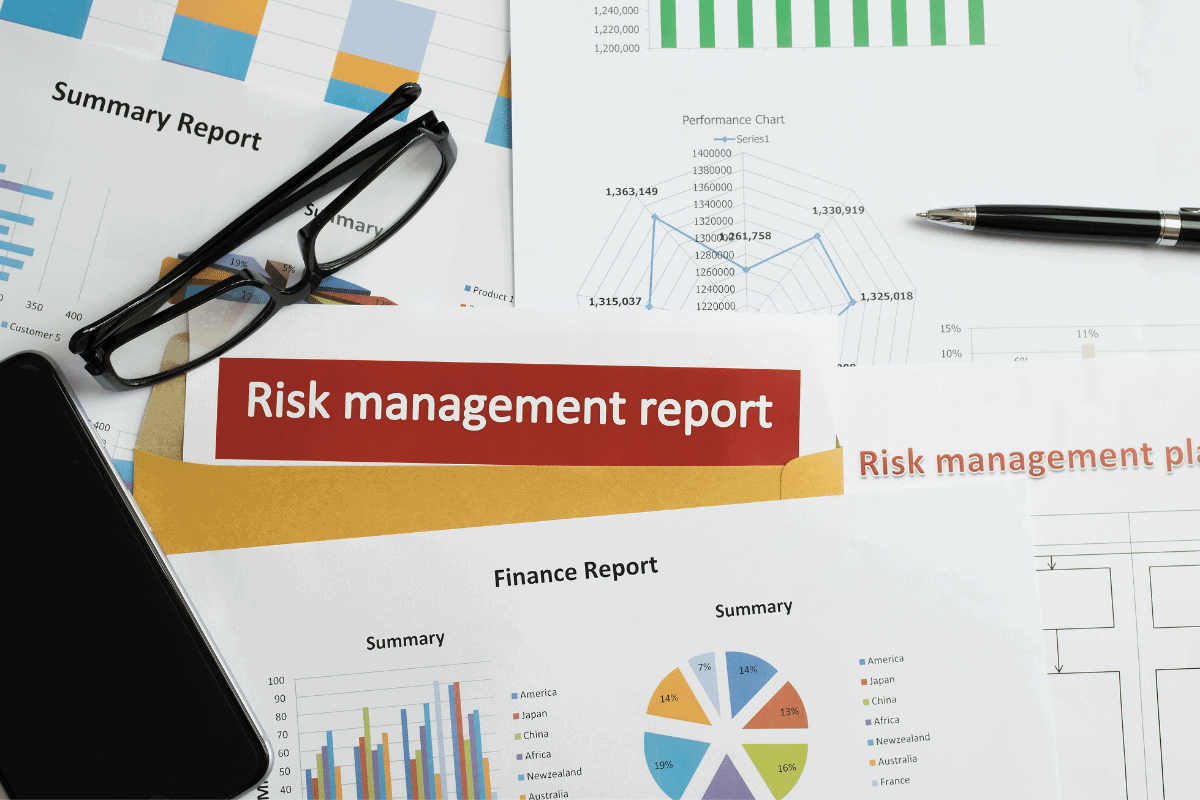
Continuous monitoring and reporting to track climate risks and ensure timely updates to stakeholders...
View Details

Ensure compliance with evolving climate-related regulations and standards to avoid legal and financi...
View Details

Assess the potential financial implications of climate risks and integrate them into your financial...
View Details